


If you need more living space, two of the most common options are building an ADU or adding onto your existing home. Both can add value, improve functionality, and create more usable space, but they serve different goals.
The right choice depends on your property, budget, family needs, and long-term plans.
What Is an ADU?
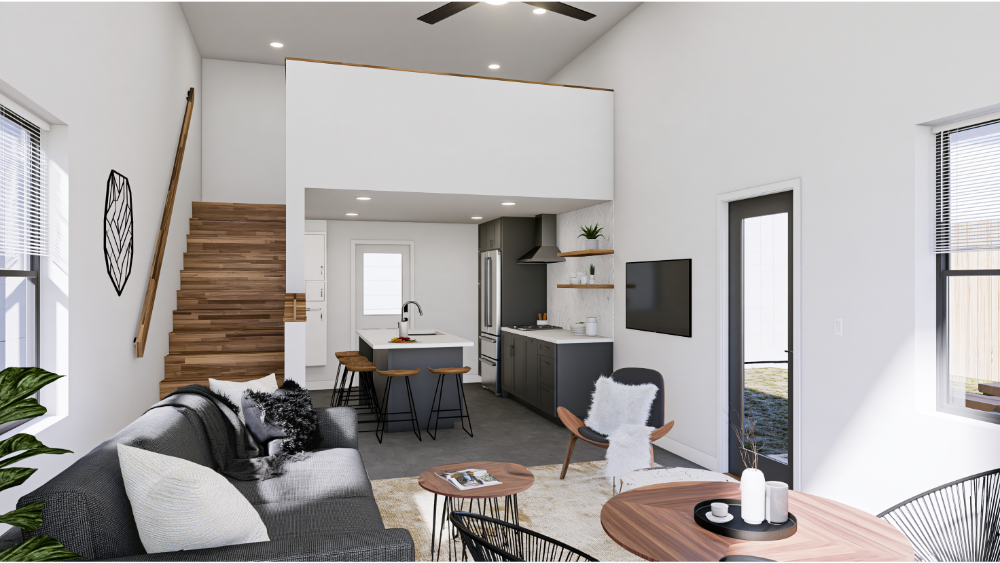
An ADU, or accessory dwelling unit, is a secondary housing unit located on the same property as a main home. It can be detached, attached, converted from a garage, or built within an existing structure.
ADUs are often used for:
- Rental income
- Housing family members
- Guest space
- Multi-generational living
- Private work or studio space
- Long-term property value
An ADU is usually designed to function as an independent living space, often with its own kitchen, bathroom, entrance, and sleeping area.
What Is a Home Addition?
A home addition expands the main house itself. Instead of creating a separate unit, you are adding more space to your existing floor plan.
Home additions are often used for:
- Larger kitchens
- Expanded living rooms
- Additional bedrooms
- Primary suite additions
- Second-story expansions
- Family rooms
- Home offices
A home addition is usually the better fit when you want your existing home to feel larger and more functional.
ADU Benefits
One of the biggest advantages of an ADU is flexibility.
An ADU can create a separate living space that may be used for rental income, aging parents, adult children, guests, or future resale value. Because it is separate from the main home, it gives both the homeowner and the occupant more privacy.
ADUs can also be attractive for homeowners who want to maximize their property without changing the main home too much.
The biggest value comes from long-term use. Even if you do not rent it immediately, an ADU gives your property more options.
Home Addition Benefits
A home addition is ideal when your existing home no longer fits your lifestyle.
Maybe the kitchen is too small. Maybe your family needs another bedroom. Maybe you want a larger living area or a better primary suite.
A well-planned addition improves the way the main home functions every day. Unlike an ADU, it does not create a separate living unit. Instead, it makes your current home more comfortable and practical.
For homeowners who plan to stay in the home long-term, an addition can be a strong investment in daily quality of life.
Which Option Costs More?
Cost depends on the size, scope, site conditions, utilities, design complexity, and local requirements.
An ADU may require more systems because it often functions as a separate unit. That can include a kitchen, bathroom, utility connections, and independent access.
A home addition can also become expensive, especially if it involves structural changes, foundation work, roof changes, or a second story.
The better question is not only “Which costs more?” but “Which creates the most useful value for your goal?”
Permit Considerations
Both ADUs and additions require careful planning and permits.
For ADUs, the city may review:
- Unit size
- Setbacks
- Parking requirements, depending on location
- Utility connections
- Fire separation
- Privacy and access
- Local ADU rules
For additions, the city may review:
- Lot coverage
- Structural changes
- Setbacks
- Roofline changes
- Energy compliance
- Foundation and framing details
- How the new space connects to the existing home
This is where working with an experienced drafting and permitting team matters. The design has to fit your vision, but it also has to satisfy local requirements.
Which Is Better for Rental Income?
An ADU is usually better if rental income is one of your main goals.
Because an ADU can function as a separate living unit, it can create long-term income potential. This is especially useful in areas where housing demand is high.
A home addition may increase property value, but it typically does not create the same direct rental opportunity unless it is designed for a specific use case.
Which Is Better for Family Living?
If your goal is to make your current home more comfortable for your family, a home addition may be the better option.
If your goal is to create privacy for guests, relatives, or tenants, an ADU may be the better fit.
For example:
- Choose an ADU if you want separate living space.
- Choose an addition if you want your existing home to feel larger.
Questions to Ask Before Deciding
Before choosing between an ADU and a home addition, ask:
- Do I want separate living space or more space inside my home?
- Is rental income part of the goal?
- How much yard space do I have?
- What does my city allow?
- Will utilities need to be upgraded?
- How long do I plan to stay in the home?
- What is my realistic budget?
These questions can help narrow the direction before design begins.
Start With a Feasibility Review
The best first step is to review the property, goals, and local requirements. Sometimes an ADU sounds better at first, but the site is better suited for an addition. Other times, homeowners assume an addition is the only option when an ADU may create more long-term value.
At Sparrow Design & Plans, we help homeowners evaluate both options and create permit-ready plans for ADUs, additions, remodels, and custom residential projects.
Not Sure Which Option Is Right?
We can help you understand what your property allows and what makes the most sense for your goals.
Contact Sparrow Design & Plans
Leave a Reply