

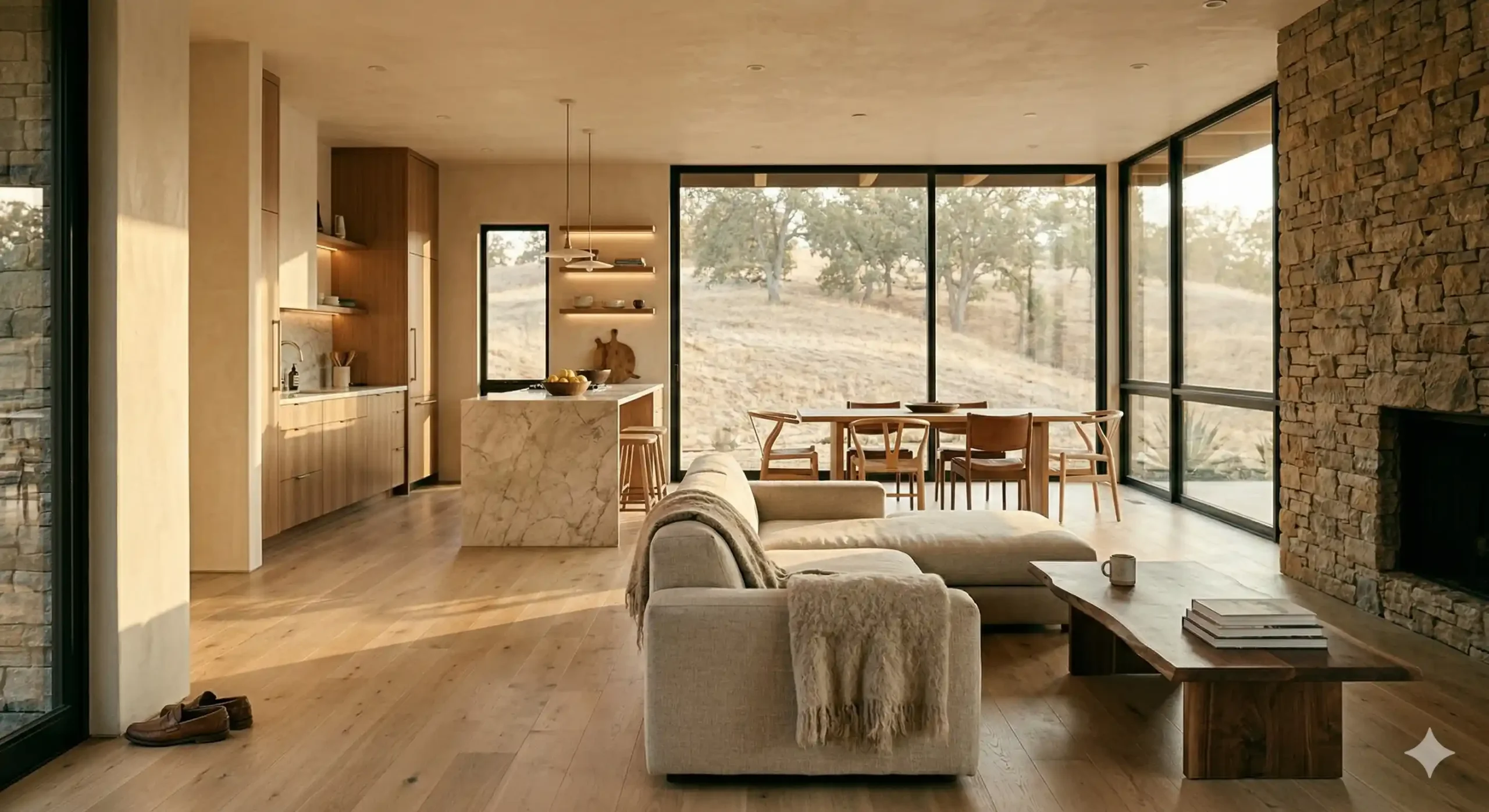

Starting a construction project is exciting, but it can also become stressful fast if the planning is not done correctly. Whether you are building an ADU, converting a garage, adding a room, or remodeling part of your home, the decisions you make before construction begins can affect the entire project.
Here are seven common mistakes homeowners make before starting a construction project, and how to avoid them.
1. Starting Without Understanding What the City Allows
Before you design anything, you need to understand what your city allows.
Every property has rules that affect what can be built. These may include:
- Setbacks
- Height limits
- Lot coverage
- Zoning restrictions
- Parking requirements
- Utility requirements
- Fire safety requirements
A design may look great on paper but still fail during permitting if it does not meet local requirements.
Before investing too much time into a layout, make sure the concept works for your property and your city.
2. Hiring a Contractor Before Plans Are Clear
Many homeowners call contractors first because they assume construction pricing is the first step. Contractors are important, but they usually need clear plans to give accurate pricing.
Without plans, pricing can become vague. One contractor may assume one scope, while another assumes something completely different.
This makes it hard to compare bids and can lead to surprises later.
A better process is:
- Define the project scope
- Create plans
- Clarify materials and layout
- Then get contractor pricing
This gives everyone a clearer starting point.
3. Underestimating Permit Timelines
Permits can take longer than expected, especially if plans are incomplete or the city requests corrections.
Many homeowners plan around the construction timeline but forget to account for design, drafting, revisions, and city review.
This can create frustration when construction does not start as quickly as expected.
A more realistic timeline includes:
- Planning
- Drafting
- Internal review
- Permit submission
- City review
- Corrections
- Resubmittal
- Approval
The better your plans are upfront, the smoother this process tends to be.
4. Choosing the Cheapest Design Provider
It is understandable to care about cost. But choosing the cheapest person to prepare your plans can cost more in the long run.
Poor plans can lead to:
- More corrections
- Longer approval timelines
- Contractor confusion
- Change orders
- Construction delays
- Rework
A strong plan set should help the city, contractor, and homeowner understand the project clearly.
The goal is not just to get drawings. The goal is to get plans that help move the project forward.
5. Not Thinking About the Full Project Scope
Sometimes homeowners start with a simple idea, such as “I want to convert my garage” or “I want to add a bedroom.”
But the full scope may involve more than expected.
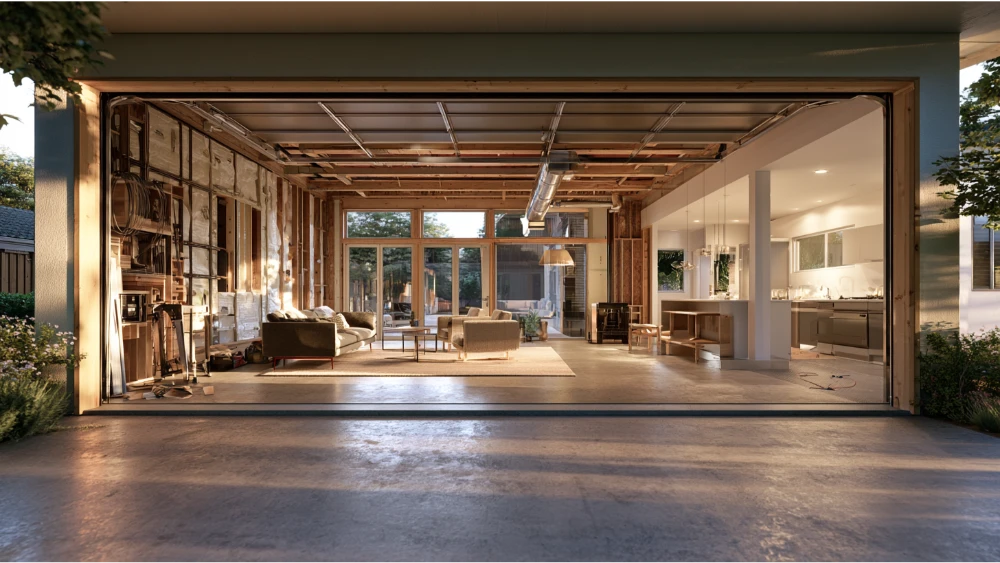
For example, a garage conversion may involve:
- Insulation
- Egress windows
- Electrical upgrades
- Plumbing
- HVAC
- Fire separation
- Parking requirements
- Structural changes
A home addition may involve:
- Foundation work
- Roof changes
- Framing
- Energy compliance
- Drainage
- Utility coordination
Understanding the full scope early helps prevent surprise costs and delays.
6. Ignoring How the New Space Will Actually Be Used
A project should not only pass permits. It should work for real life.
Before finalizing plans, think through how the space will be used every day.
Ask:
- Who will use the space?
- Will it need privacy?
- Does it need natural light?
- Will it need storage?
- How will it connect to the existing home?
- Will the layout still work in five or ten years?
Good design is not only about appearance. It is about function.
7. Making Changes Too Late
Changes are normal during the planning stage. But once plans are submitted or construction begins, changes can become expensive and time-consuming.
Late changes can trigger:
- Redesign work
- Additional engineering
- Resubmittals
- Contractor change orders
- Material delays
The best time to work through ideas is before submission. A clear planning phase helps reduce costly changes later.
How to Avoid These Mistakes
The best way to avoid these issues is to start with a structured process.
Before construction begins, make sure you have:
- A clear scope
- A realistic timeline
- Permit-ready plans
- Local requirement review
- A basic understanding of costs
- A team that communicates clearly
This helps the project move forward with fewer surprises.
Start With the Right Plans
At Sparrow Design & Plans, we help homeowners and contractors create permit-ready plans for ADUs, garage conversions, home additions, remodels, fire restoration, and custom homes.
We focus on clarity, local requirements, and plans that are built for approval.
Planning a Project?
If you are planning a project, contact Sparrow Design & Plans and we'll walk you through what needs to happen next.
Contact Sparrow Design & Plans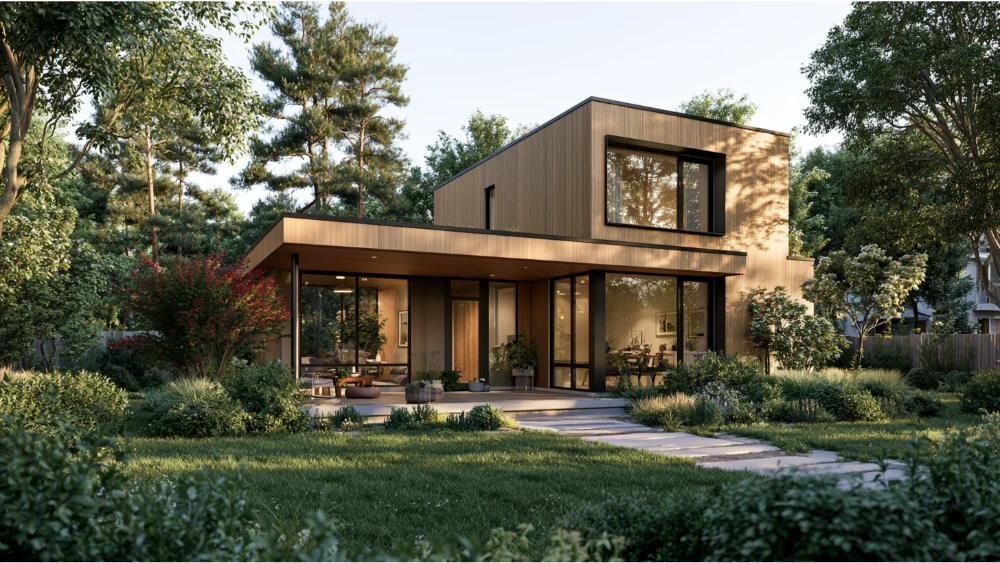
Leave a Reply